
5 Windows features that were well ahead of their time


I’ve been a Windows user since 95, so I’ve seen plenty of innovations from Microsoft come and go over the years. While plenty have been duds, some have been truly revolutionary, well ahead of their time, laying the groundwork for features we might now take for granted — even if they didn’t quite get the recognition they deserved at the time.
Briefcase
Drop in your files, take them home


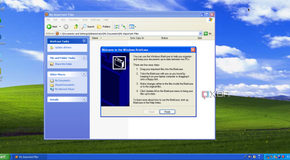
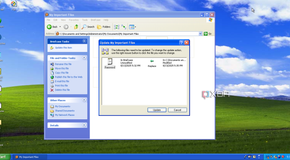
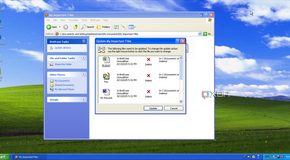
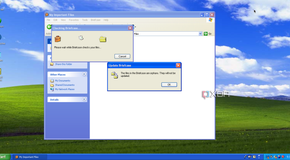
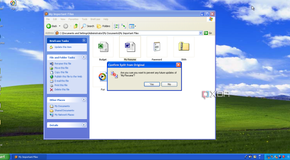
Briefcase offered a way to sync changes between files on two different devices. That doesn’t seem particularly remarkable in 2025, but this now-forgotten Windows feature was practically alien to PC users in 1995. After all, this was an operating system that was only just beginning to develop home network capabilities, let alone push its users to think about file sharing in great depth.
Briefcase was a neat idea, but it wasn’t well adopted, nor was it as easy to use as hoped. We might now rely on services like OneDrive and Google Drive to do almost exactly the same thing, but Briefcase started it all at least a decade before.
MSN Gaming Zone
You didn’t have to lose the game, but you almost certainly did, a lot

The MSN Games Network had a few different guises over the years, but it was ultimately the first accessible method for multiplayer gaming on a Windows PC. Unlike later clients like GameSpy, you didn’t need to download anything special to make it work, just an internet connection.
Thanks to the likes of Steam and Epic Games, we’ve moved on, but I’ll always have a soft spot for this OG. That said, you can still visit the MSN Zone to play casual online games, even if it isn't quite the same as it used to be.
Windows CardSpace
Present your papers, please

Windows CardSpace was Microsoft’s attempt to solve the problem of your online identity. Introduced in Windows Vista, CardSpace could store digital “info cards” about users that safely contained your personal data, like your login credentials. It was intended to be a digital ID for your data, so you didn’t have to keep track of all your passwords.
In theory, this would make authentication with your apps and online services much easier — it just never caught on. Like other Vista innovations, it just wasn’t good enough. CardSpace was confusing to use and had a far too high adoption threshold to be useful at the time.
Now, we have single sign-ons, face ID systems, password managers, and more that do all that CardSpace hoped to achieve. Microsoft just showed us the future a decade too early to make it useful.
Cortana
Hello, it’s me, Computer

Cortana was, in theory, a voice assistant for your Windows 10 PC. You would speak to it like you would the Computer from Star Trek. You could get it to set reminders, perform web searches, and (in theory) control your PC.
Unfortunately, it stumbled almost immediately out of the gate with poor accuracy and pretty limited functionality. On a personal level, it was just frustrating to use, especially compared to more refined systems like Siri on Apple’s devices. It was quietly stripped away from Windows, piece by piece, until support finally ended in 2023.
Shift a decade into the future, and a Cortana-like system powered by a sophisticated AI on Windows makes absolute sense. Not only do we now have PC systems capable of using this kind of technology in place, but the technology is far more intuitive to use, thanks to LLMs. Cortana was a prototype, but its legacy lies in AI tools like Windows Copilot and ChatGPT that are now integrating into our daily lives.
Zune
The iPod’s awkward competitor

Zune was Microsoft’s answer to the Apple iPod. Most remember it as a portable music player, but the brand was thoroughly integrated into the Windows ecosystem, too. You could use the Zune app to manage your music libraries, sync your tracks, and share your songs wirelessly between your different devices in a way that hadn’t been easily possible on Windows before, at least in a single app.
Zune’s social features and curated playlists foreshadowed the way we discover and share music today on platforms like Spotify and Apple Music. Unfortunately, Zune’s timing was off, and it never gained the traction Microsoft hoped for.
Microsoft might have failed to beat Apple, but many of Zune’s features are ones we expect to see today.
We’ve forgotten more about Windows than we remember, probably
This road down memory lane shows how often Microsoft has been too early to the party. It has developed features that might have failed when they launched, but they have a genuine use today. Briefcase is the perfect example, as it’s a great idea in theory, prepared for a time when we simply didn’t know, or cared to know, enough about our data security.
Cortana, too, is an idea that stands the test of time in 2025. It was poorly implemented when it launched, but just a few years later, we’re happily chatting away to AI personas that are Cortana in style, just significantly more capable. What Windows features we take for granted today that will have a seemingly bigger purpose in future years, only time will tell.

0 Comments